

Churnkey is going upmarket. That’s our main competitor for juttu.co
And honestly? That’s great news for us.
Every SaaS should have a cancel flow. One that actually tries to retain revenue and figures out why customers leave. Not some afterthought modal with “Are you sure?” - a real conversation at a critical moment.
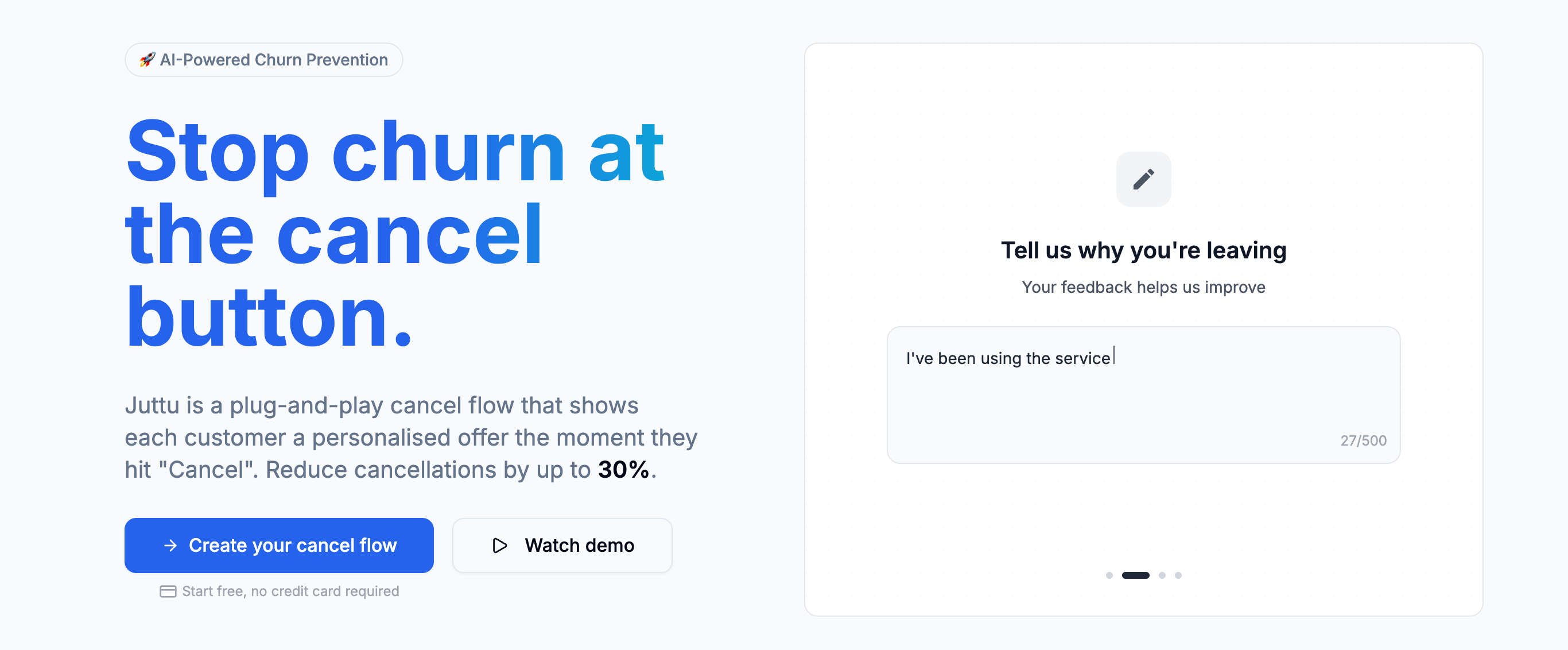
We’ve decided to make this our main thing with Juttu.co . Cancel flows. That’s it.
We have users. They’re onboarded. Revenue is coming in.
So what’s the problem?
The Awareness Levels I Didn’t Know About
Here’s something I learned the hard way.
Finding people with a churn problem isn’t the bottleneck. Most SaaS founders know their retention could be better. That’s not the issue.
The issue is awareness levels.
I didn’t know this was a framework until I ran face-first into it. There are layers:
1. Problem-aware — They know churn is an issue
2. Solution-aware — They know a cancel flow could help
3. Product-aware — They know about us, specifically
We assumed most people were solution-aware. They’re not.
A lot of founders know they lose customers. Fewer know that a well-designed cancel flow could save 10-20% of those cancellations. Even fewer know that tools like ours exist.
This changes everything about how we sell (get customers).
Why Outbound Doesn’t Work (For Us)
We done the outbound motion so far.
LinkedIn DMs. Qualified everyone thouroughly. Scan their product page etc. - The whole playbook.
Here’s what happened: You get on a call with someone who has a churn problem, but you spend the entire call educating them on the solution. By the time they understand what a cancel flow even is, the call is over.
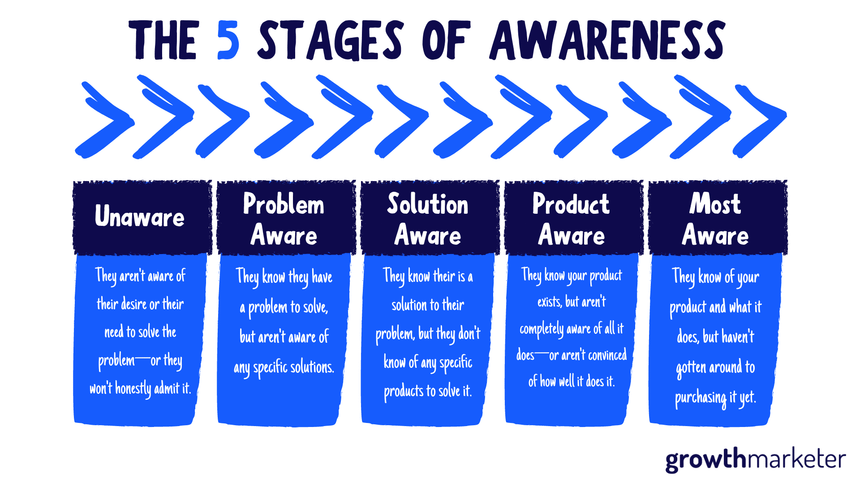
You can’t educate your way through a sales call when the prospect isn’t even solution-aware yet.
At least we can’t as self-funded startup.
This is why we’re doubling down on content. SEO. On being visible. On building in public. We need to find people who are solution aware or create solution awareness before the sales conversation even starts.
The Integration Problem
Now here’s the part I underestimated.
For us, integration is activation.
We have a code-based SDK. You connect to your payment provider. You add our widget to your cancel flow. It’s not drag-and-drop.
And even for people who are committed — who’ve signed up, who are excited, who want this to work — actually getting it live takes intentionality.
This is the thing that people don’t talk about when they say everything is vibe-coded now.
Sure, you can build fast. But you still need to test. You still need a running product with real customers paying for it. And even something that seems “unimportant” like a cancel flow still takes real effort to integrate properly.
I thought our sticky revenue model would be the greatest thing ever. Lock them in, they never leave, compounding MRR forever.
But stickiness has a price: **activation is hard**.
The same thing that makes customers stay makes them harder to activate in the first place.
What I’m Taking Away
If you’re building something:
1. Know your prospect’s awareness level. Problem-aware, solution-aware, or product-aware? Each requires a completely different approach. You can’t outbound your way past a solution-awareness gap.
2. Integration difficulty = activation difficulty. If your product requires technical setup, budget for that. It’s a bigger hurdle than you think, even for motivated users.
3. Sticky revenue is a trade-off. Yes, it’s compounding. Yes, it’s beautiful. But the integration barrier that creates stickiness also slows down your path to activation. Pick your hard problem.
We’re still acquiring customers. Still growing. But I’m recalibrating my expectations on velocity.
Some products are slow to activate by design. That’s not a bug. It’s a trade-off you make when you choose to build something that actually integrates deeply.
What’s Next
We’re all in on making customers more money with existing users.
That is the real problem we are after. So, you might see us coming out with other solutions for the same ICP :)
Cancel flow are one small element of that.
For cancel flows specifically: Creating more content around the solution (SEO). Making people aware that this category exists. And improving our onboarding to reduce the integration friction as much as possible.
If you’re building a SaaS and you don’t have a cancel flow yet — you’re leaving money on the table. And we’d love to help.
Subscribe if you want to see how this bet plays out.
Onwards,
Niko